Master Watercolor Faces in Procreate
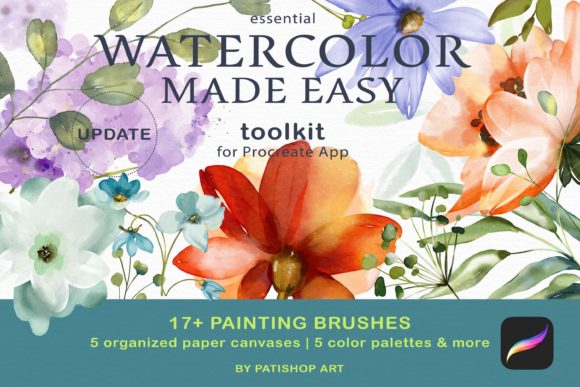
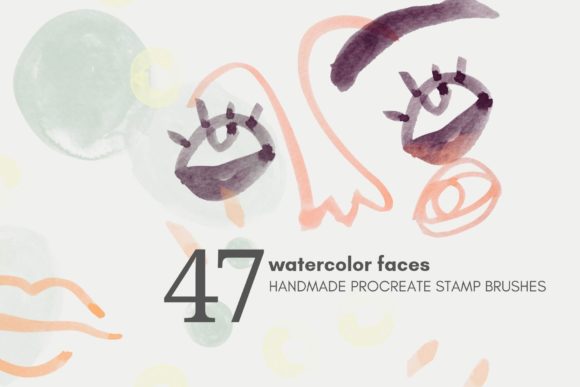
Digital art has evolved to a point where the tactile feel of traditional media is no longer exclusive to physical canvases. For artists who love the fluidity and unpredictability of water-based paints but prefer the convenience of an iPad, Watercolor Faces ProCreate Brushes offer a transformative solution. These specialized digital tools are designed to replicate the organic behavior of real pigment on paper, specifically tailored for portraiture. Unlike standard drawing tools that produce uniform lines, these brushes simulate bleeding edges, granulation, and the delicate layering required to capture human expression with warmth and depth.
The primary appeal of using hand painted watercolor face elements lies in their ability to bridge the gap between technical precision and artistic soul. When creating portraits digitally, it is easy to fall into the trap of making images look too polished or sterile. Watercolor, by its very nature, embraces imperfection. By utilizing brushes that mimic this medium, creators can introduce a softness and humanity to their work that resonates deeply with viewers. This is particularly valuable for those looking to create unique branding assets, book illustrations, or personal projects that stand out in a sea of vector graphics and hyper-realistic 3D renders.
Why Choose Digital Watercolor for Portraits
Transitioning to Watercolor Faces ProCreate Brushes solves several common pain points for both beginners and seasoned professionals. First, there is the issue of control versus chaos. Real watercolor requires a mastery of water-to-pigment ratios, drying times, and paper texture. In the digital realm, these variables are simulated but manageable. You can achieve the look of a wet-on-wet technique without the risk of ruining hours of work due to a spilled cup of water or over-saturated paper.
Furthermore, the efficiency factor cannot be overstated. For entrepreneurs and small business owners who need high-quality visuals quickly, the ability to undo, adjust opacity, and experiment with different color palettes instantly is a game-changer. These brushes allow you to build up layers of tone and shadow gradually, much like traditional glazing, but with the flexibility to edit each stroke. This makes the workflow ideal for freelancers who need to iterate based on client feedback without starting from scratch.
Another significant benefit is the consistency of texture. High-quality brush sets often include grain overlays that mimic cold-press or hot-press watercolor paper. This ensures that every portrait you create has a cohesive, professional finish. Whether you are designing a series of character cards for a game or creating social media content for a lifestyle blog, this textural consistency helps establish a recognizable visual identity.
Practical Applications Across Industries
The versatility of hand painted watercolor face elements extends far beyond fine art galleries. In the world of marketing and branding, there is a growing trend toward "human-centric" design. Companies are moving away from stock photography and stiff corporate illustrations in favor of artwork that feels handmade and authentic. Using these brushes, a marketer can create custom avatars for a team page that feel personal and approachable, fostering a stronger connection with the audience.
Educators and content creators also find immense value in this medium. Imagine a teacher creating engaging materials for a history lesson; using watercolor portraits of historical figures can make the content feel less dry and more narrative-driven. Similarly, bloggers and influencers often use these styles for header images or story highlights because the aesthetic suggests creativity and thoughtfulness, qualities that attract engagement.
For product designers, especially those in the fashion or home decor sectors, these tools are essential for creating fun pattern and prints. A repeating pattern featuring diverse, expressive faces rendered in watercolor can be applied to textiles, wallpaper, or packaging. The soft edges of the watercolor style ensure that when the pattern repeats, it does so seamlessly without harsh lines breaking the flow. This application turns a simple digital sketch into a tangible commercial product.
Getting Started: Tips for Beginners
If you are new to digital painting, diving into Watercolor Faces ProCreate Brushes might seem intimidating, but the learning curve is gentle if you approach it with the right mindset. Start by focusing on the basics of layering. In traditional watercolor, you paint light to dark. The same rule applies here. Begin with a light wash for the skin tone, letting the brush do the work of creating subtle variations. Avoid pressing too hard; let the digital "water" spread naturally.
- Experiment with Opacity: Don't rely solely on the brush pressure. Adjusting the layer opacity can help you build up shadows under the chin or around the eyes more realistically.
- Use the Dry Brush Feature: Many advanced brush sets include a "dry" variant. Use this for adding texture to hair or defining sharp features like eyelashes and eyebrows.
- Embrace Mistakes: Part of the charm of watercolor is the bloom. If a color bleeds slightly outside the line, consider keeping it. It adds character to the piece.
A realistic use case for a beginner would be to try a "study" approach. Find a reference photo of a face with good lighting. Instead of trying to copy every pore, focus on capturing the major shapes of light and shadow. Use the watercolor brushes to block in these shapes loosely. This method teaches you to see values rather than details, which is crucial for mastering the medium.
Important Considerations Before You Begin
While the results can be stunning, there are a few things to keep in mind before investing time or money into these tools. Not all brush sets are created equal. Some may claim to be watercolor but lack the necessary blending algorithms, resulting in strokes that look more like chalk or oil paint. Look for previews that show the brush behavior at different speeds and pressures. Reading reviews from other artists can provide insight into how well the brushes handle complex tasks like skin blending.
Additionally, consider your hardware. While Procreate is optimized for the Apple Pencil, the specific nuances of watercolor simulation—such as tilt sensitivity for broad strokes—require a device that supports these features. Ensure your tablet settings are calibrated correctly to get the most out of the hand painted watercolor face elements.
Finally, think about your end goal. Are you creating art for screen display only, or do you intend to print it? If printing is part of your plan, ensure you are working at a high enough resolution (typically 300 DPI) from the start. Watercolor textures can lose their detail if the canvas size is too small, leading to pixelation when printed on large formats like posters or fabric.
In conclusion, integrating Watercolor Faces ProCreate Brushes into your creative toolkit opens up a world of expressive possibilities. Whether you are a hobbyist looking to relax with some digital painting, a freelancer seeking to differentiate your portfolio, or a business owner wanting to add a human touch to your brand, these tools provide the perfect balance of control and artistic freedom. By understanding their capabilities and practicing with intention, you can create compelling portraits and patterns that resonate with authenticity and style.